
St. John in the Wilderness Church Guide
Historic 1852 Neo-Gothic Church & Colonial Memorial
Visiting Hours
8:00 AM – 6:00 PM
Entry Fee
Free Entry
Distance from Square
~1.5 km (Paved Path)
Suggested Time
45 – 60 Minutes
Overview of St. John in the Wilderness
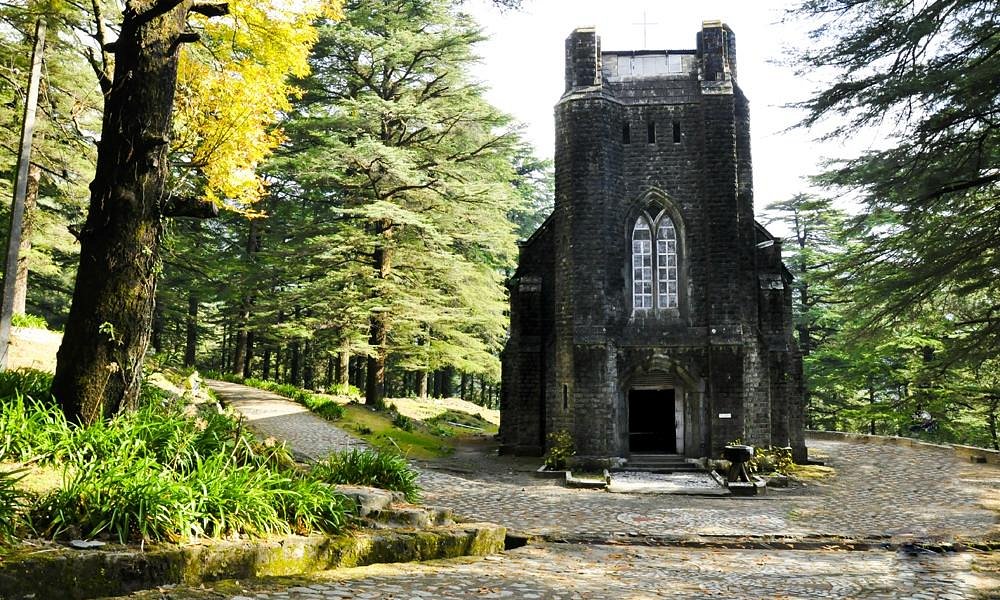
Built back in 1852, St. John in the Wilderness is one of the most historically significant and picturesque structures in the Dharamshala region. Located on the winding road between McLeod Ganj and Naddi (near ForsythGanj), this Anglican church is dedicated to John the Baptist and stands in quiet solitude amidst a dense, towering forest of deodar pine trees.
Surviving the devastating 1905 Kangra earthquake that leveled much of the surrounding valley, the church is widely admired for its remarkable Belgian stained-glass windows and unique neo-Gothic architectural styling.

Key Architecture & Highlights
The church features exquisite, rare Belgian stained-glass windows depicting religious icons, which survived the massive 1905 earthquake intact.
The churchyard serves as the final resting place of Lord Elgin, the Viceroy of India who passed away in Dharamshala in 1863.
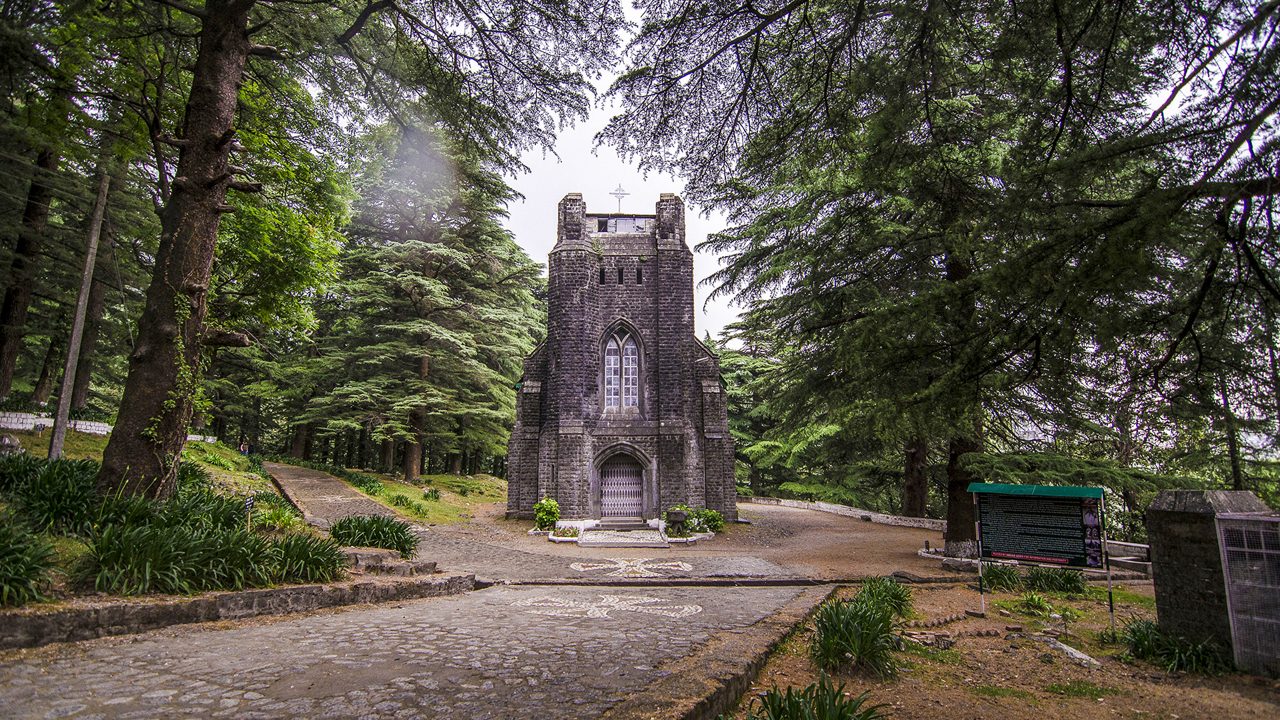
Enclosed by ancient, towering deodar pine trees that create a cool, serene, and deeply contemplative atmosphere year-round.
Built using striking grey stone masonry with pointed arches characteristic of 19th-century British architectural design in the Himalayas.
Visitor Guidelines & Etiquette
The site remains an active place of worship as well as a popular heritage landmark. Visitors are requested to maintain peace.
Essential Guidelines:
• Maintain silence inside and around the church grounds out of respect for worshippers and the memorial site.
• Check photography rules before taking pictures inside the main chapel hall.
• Wear comfortable walking shoes as the surrounding churchyard paths involve uneven ground and stone stairs.
• Respect the heritage property by avoiding littering or touching delicate stonework and memorials.
Best Time to Visit
- March to June: Pleasant weather, ideal for a peaceful walk from McLeod Ganj square.
- September to November: Clear post-monsoon skies and crisp autumn air through the pine trees.
- Morning Hours (9 AM - 11 AM): Best lighting for photography and quiet reflection without crowds.
- December to February: Cold winter weather with occasional picturesque snow dustings.
Visiting ForsythGanj?
Connect with trusted local providers for nearby heritage homestays, local taxi cabs, and walking guides.
Quick Visitor Tips
- Walk from McLeod Ganj main square takes ~15–20 minutes
- Located directly along the main road toward Naddi viewpoint
- Combines well with a trip to Dal Lake and Naddi sunset point
- Wear modest clothing respecting church premises
Frequently Asked Questions — St. John in the Wilderness Church
Why is it called St. John in the Wilderness?
The church was given this name because when it was originally constructed back in 1852, the location was completely isolated, dense, and surrounded by wild, untamed deodar pine forests.
Who is buried in the church graveyard?
The most prominent historical figure buried in the churchyard is Lord Elgin (James Bruce, 8th Earl of Elgin), who served as the Viceroy of India and died in Dharamshala in November 1863.
How do I reach the church from McLeod Ganj?
You can easily walk to the church from McLeod Ganj main square in about 15 minutes along the paved road toward ForsythGanj, or take a 5-minute taxi or auto-rickshaw ride.